

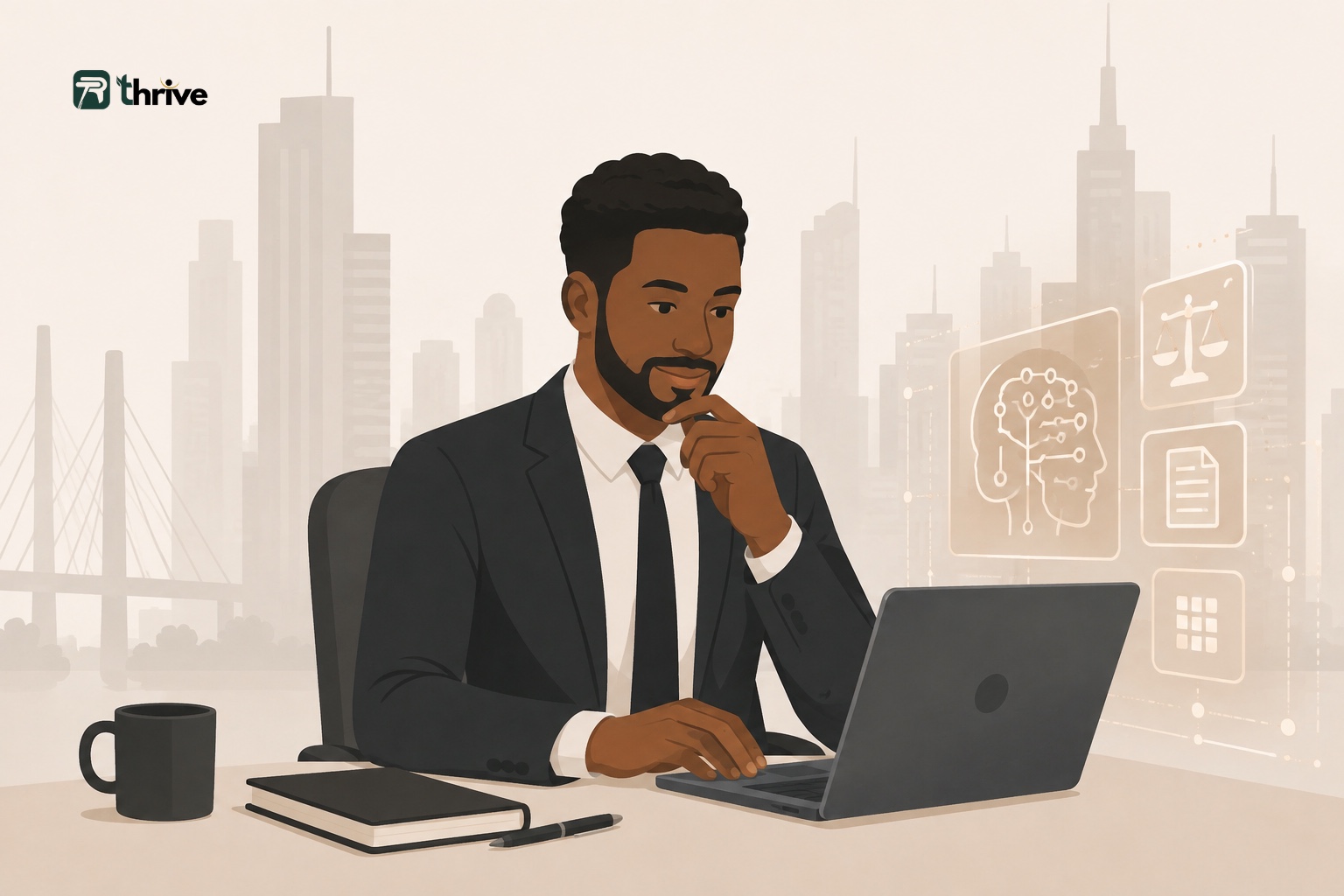
There is a conversation happening in almost every law office right now, and it usually starts with someone half-joking that AI is coming for their job. It is a fair worry on the surface. Machines that can draft contracts, summarise case law, and answer legal questions in seconds do sound like they were built to replace the person doing that work manually. But the more I think about AI in law and how lawyers are beginning to use these tools, the more I am convinced that the real story is not a contest between AI and lawyers. It is about what happens when the two work together.
Why the "Versus" Framing Falls Apart
Law has never been just about access to information. With enough patience and access to legal research platforms, anyone can find a statute, case or regulation. But finding information is not the same thing as knowing what to do with it. This is where a lawyer comes in. What makes a lawyer truly valuable is judgment, and that is something you cannot download.
Judgment means knowing which precedents actually apply to the peculiar facts of your client’s case. It means noticing how a seemingly standard clause in a joint venture agreement will cause a massive crisis for a local business three years down the line. It means reading the room during a tense settlement meeting and knowing exactly when the opposing counsel is bluffing.
AI is incredibly good at processing volume, but it completely lacks context. It does not understand the realities of doing business or managing human disputes like lawyers do. AI processes data, but lawyers judge situations. So when we frame AI versus Lawyers, we are putting two things against each other that do not necessarily have to compete. When you fuse the two together properly, you get something far more useful than either one working alone.
What AI Enabled Lawyering Actually Looks Like
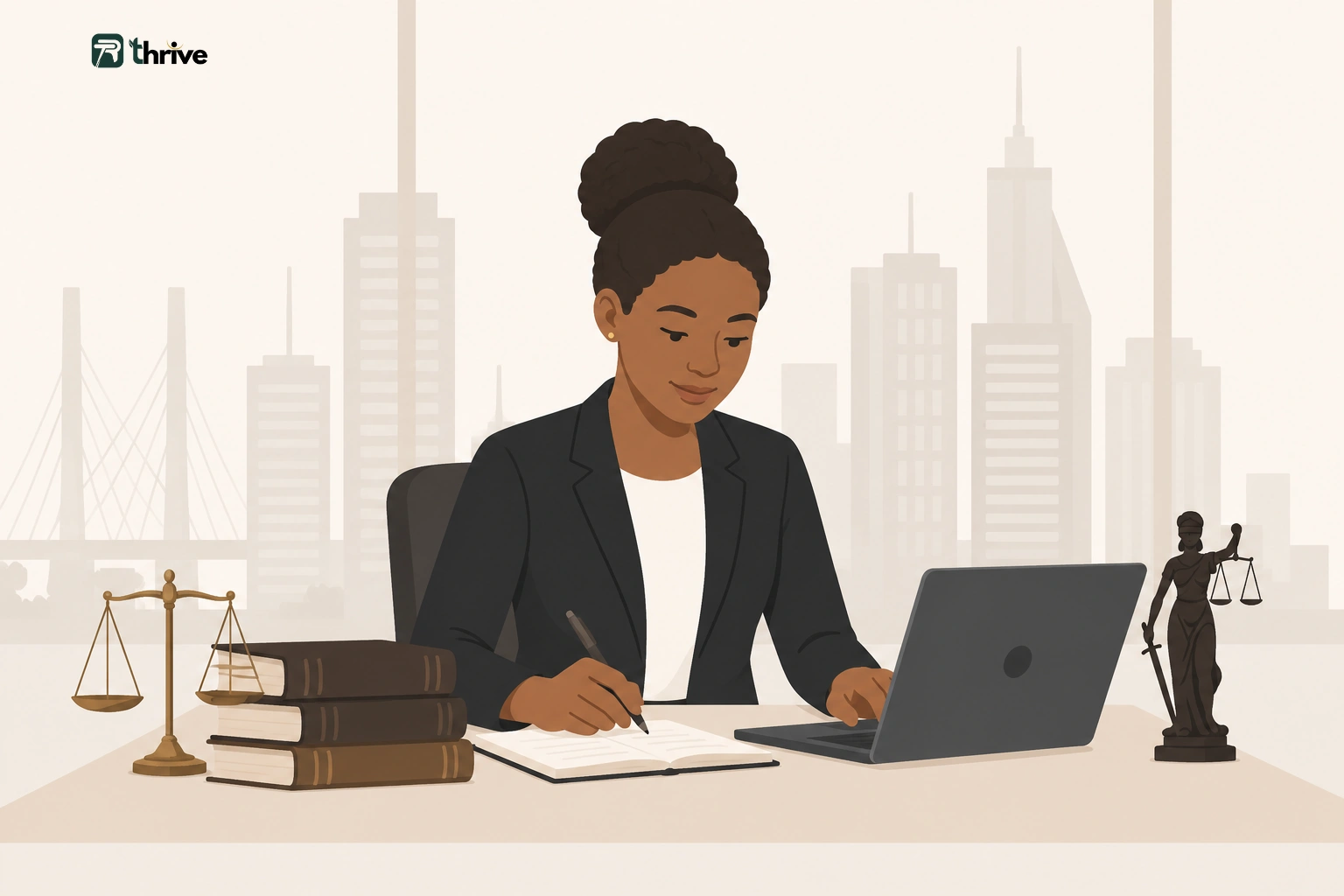
Imagine a young associate who receives hundreds of pages of documents on a Friday afternoon, and the principal partner demands a list of contradictions in the documents by Monday morning. Traditionally, their weekend is automatically ruined if this happens. This would mean spending their weekend going through the document one by one looking for that one important inconsistency. Now, imagine that same associate running those files through a secure AI tool that flags the core inconsistencies in minutes instead of hunting for a needle in a haystack.. Suddenly, the rest of the weekend is freed up for actual legal strategy. They can spend their time figuring out how to use those contradictions to win the case in court. That is not a lawyer being replaced. That is a lawyer being given back their most valuable resource, which is time to think.
This shift cuts across everything we do. Contract review that once took days of tedious reading can now be supported by AI that highlights areas that need a lawyer’s attention. Legal research that used to mean getting lost in old law reports for hours can start with an AI summary that the lawyer simply verifies and refines. Large volumes of documents can be organised quickly. AI does not take the lawyer out of the process. It just shifts our energy away from repetitive searching and toward the real legal thinking they are trained for.
The Risk Nobody Should Ignore
None of this means AI should be trusted blindly. Any lawyer who treats AI as absolute truth is looking for trouble. These tools can be confidently wrong. It can produce a case that does not exist and give you an incorrect interpretation of a provision. We have already seen embarrassing examples of counsel submitting briefs to court packed with entirely fabricated case citations because they let an AI tool do the work without checking it.
This is not a failure of technology; it is a failure of professional oversight. AI can draft, suggest, and summarize, but it cannot stand before a Judge, and it cannot sign a legal process. Thus, a lawyer must still verify, apply the law and exercise judgement.
Ultimately, the lawyer remains responsible for the work that goes out in their name. Accountability therefore remains with the licensed professional
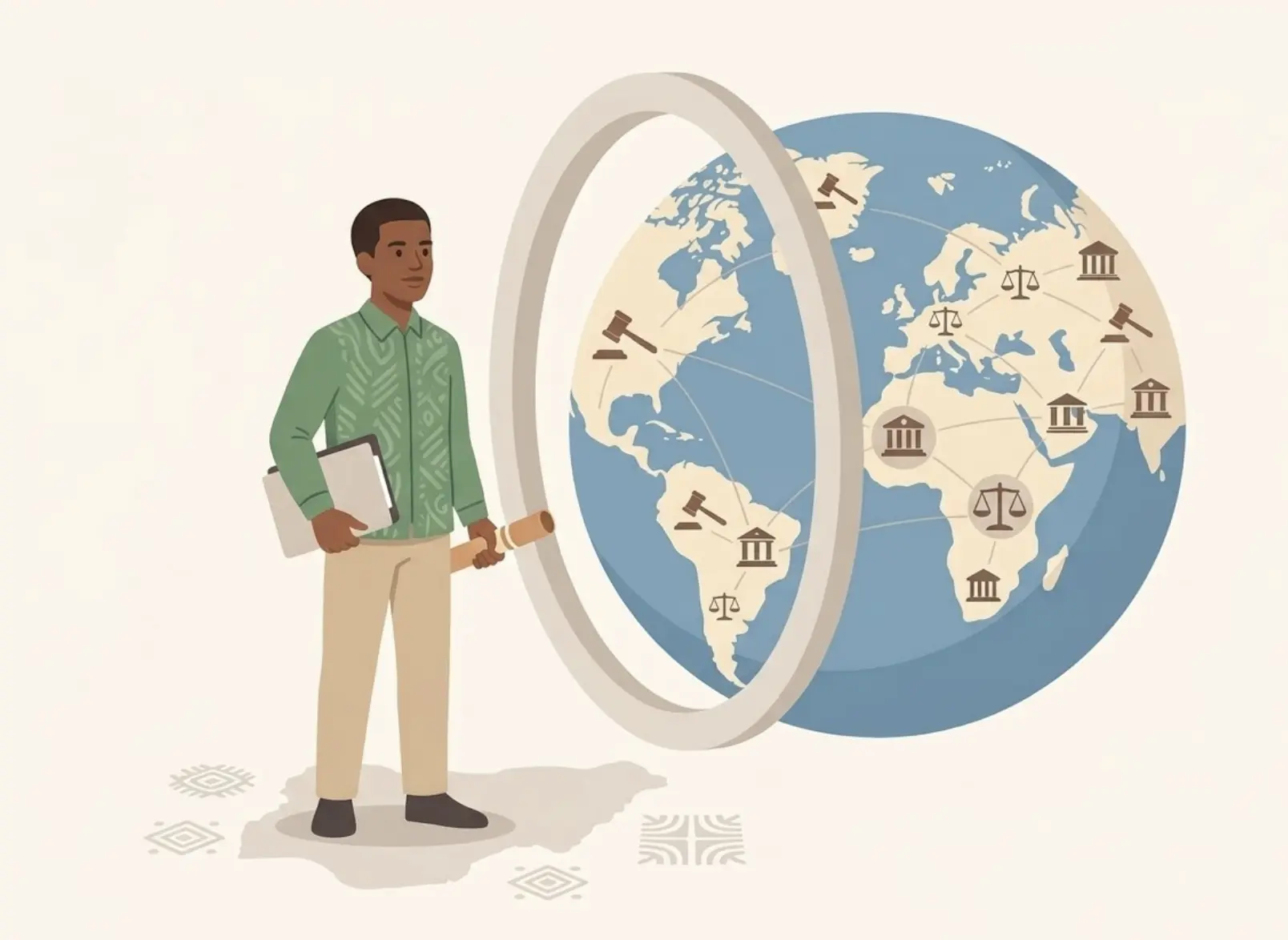

What This Means For Lawyers Starting Out Today
For young lawyers and people starting their legal career, think of this shift as a massive opportunity rather than a threat. The lawyers who may struggle in the years ahead are not necessarily the ones who are less intelligent or less hardworking. They are the ones who stubbornly refuse to learn the way of working by embracing AI tools.
Conversely, the lawyers who take the time to master these AI tools, learn their strengths and understand their limitations are positioning themselves to work faster, protect their time, and deliver much better results for their clients.
There is also something deeply reassuring about this shift for anyone who chose this profession because they genuinely care about advocacy and justice, rather than just moving paperwork around. If AI can absorb the tedious, mechanical part of legal work, it leaves more room for us to practice law in its truest sense. It gives us space to advise, negotiate, advocate, solve, solve complex problems, and stand beside clients when it matters most.
The Real Question Worth Asking
So perhaps the question is not whether AI will replace Nigerian lawyers. The more useful question is: Which lawyers will learn to use AI well enough that it becomes a seamless extension of their own professional judgment?
Lawyers who can use AI to work faster without allowing it to replace their judgement will be better positioned for the future.
Those are the practitioners who will shape what this profession looks like over the next decade. And honestly, that future looks a lot more exciting than one built on fear.
At TR Thrive, this is the kind of future we want to help lawyers prepare for. The legal profession is changing and our work is about helping lawyers navigate those changes. Through opportunities, career resources and professional conversations, Thrive creates a space for lawyers to learn and discover what comes next. If the future of law is going to be shaped by lawyers who know how to adapt, then we need to start having these conversations. TR Thrive is where those conversations, opportunities and resources come together.
To stay connected, discover new opportunities and find resources that can help you navigate your legal career, explore TR Thrive at https://trthrive.com/



No comments yet. Be the first to share your thoughts.