
NBA President Backs Nigerians’ Right to Film Police, Seeks Clearer Rules
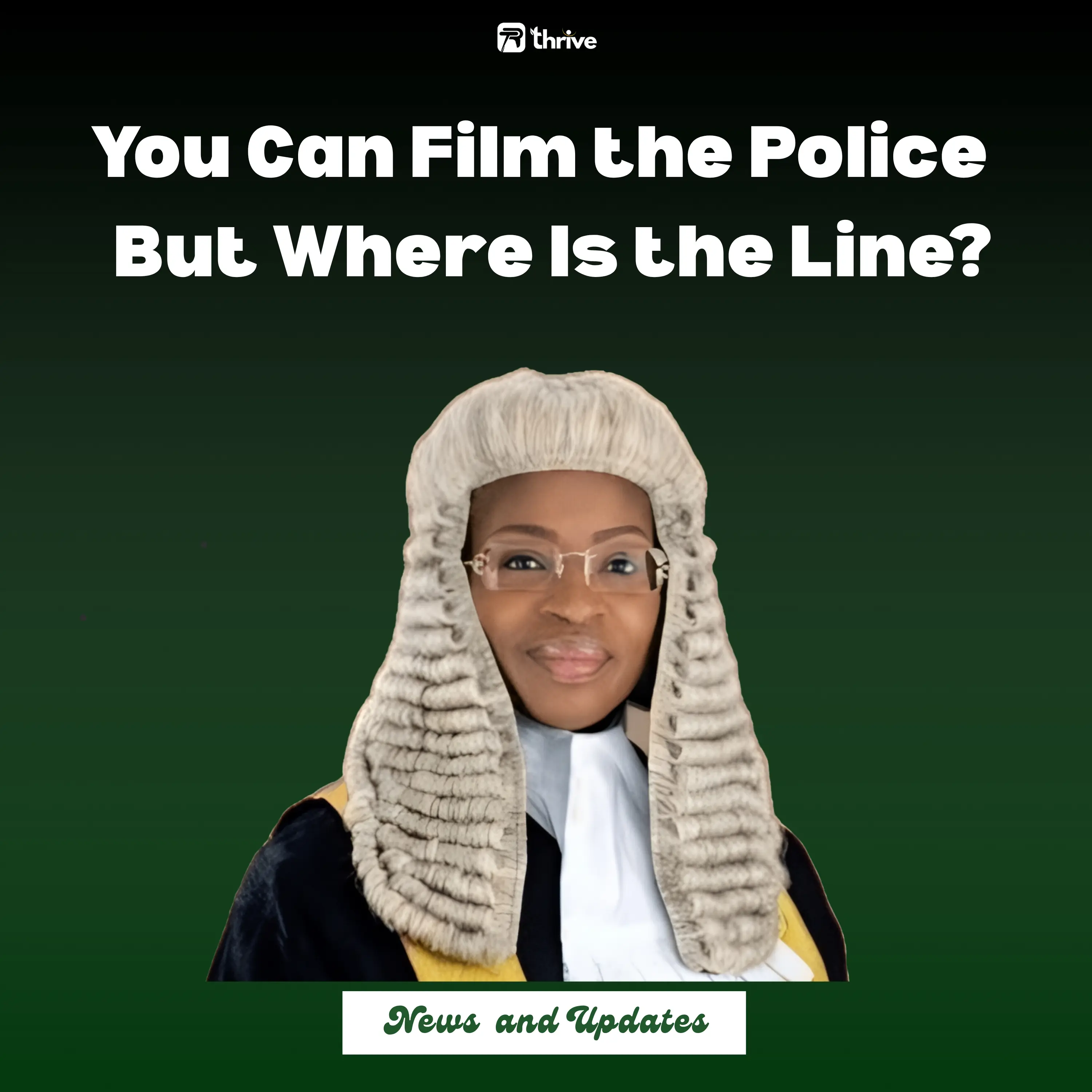
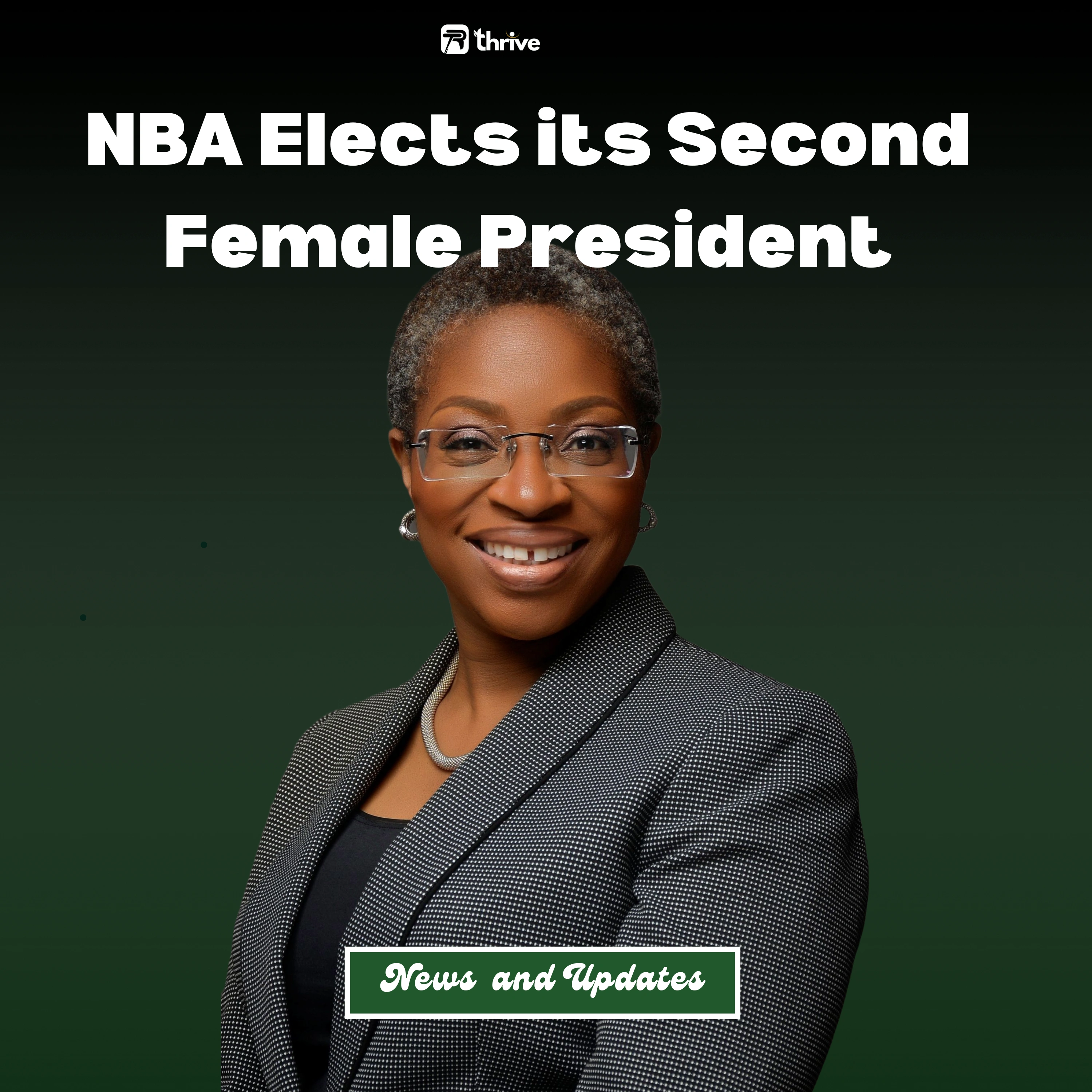
NBA President Oyinkansola Badejo-Okusanya has backed Nigerians’ right to record police officers performing their duties in public, while calling for clearer rules to protect officers’ privacy and prevent the right from being abused.
NBA Backs Recording of Police on Duty
The Nigerian Bar Association has backed Nigerians’ right to record police officers while they are performing their duties in public, but says clearer rules are needed to define the limits of that right.
NBA President Oyinkansola Badejo-Okusanya made the position known during a meeting with Inspector-General of Police Olatunji Disu and members of the NBA executive committee at the Force Headquarters in Abuja.
The meeting focused on improving relations between lawyers and the police, with the recording of officers emerging as one of the issues requiring clearer understanding. Badejo-Okusanya said transparency should not be discouraged when officers are lawfully performing their duties.
The Court’s Position
The discussion follows a March 17 judgment of the Federal High Court in Warri, Delta State, which affirmed Nigerians’ constitutional right to record police officers performing their duties in public.
Justice Hyeladzira Nganjiwa delivered the judgment in a suit filed by lawyer Maxwell Nosakhare Uwaifo following a stop-and-search encounter with police officers in 2025.
The court also directed police officers to display their names and force numbers during public operations. The ruling followed an earlier position by the Nigeria Police Force that filming or photographing officers on duty was not an offence.
Police Raise Privacy Concerns
While the Inspector-General acknowledged citizens’ right to record officers performing their duties, he said the judgment had created concerns within the police.
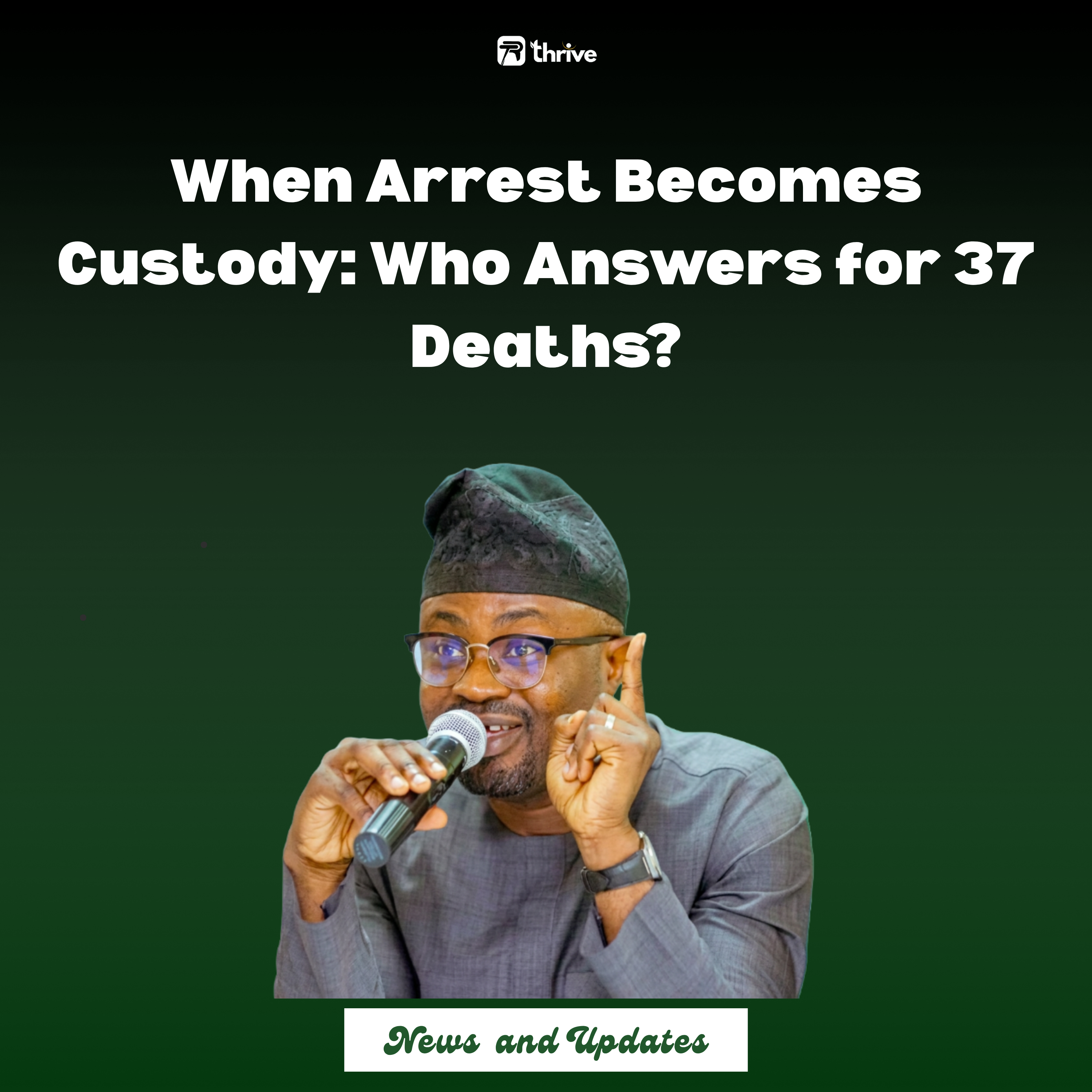
According to Disu, members of the public had begun recording officers even in situations where they were not carrying out police duties, including while in restaurants.
He urged Nigerians to exercise restraint and not turn police officers into material for social-media entertainment.
Badejo-Okusanya agreed that officers should not be subjected to unnecessary intrusion into their private lives. However, she drew a distinction between recording an officer while carrying out official duties and recording the officer during private activities.
Where the Law May Need Clarity
The NBA president argued that recording officers during official duties can promote accountability, pointing to body-worn cameras used by police in the United States as an example.
Such recordings, she noted, can help establish what happened during encounters between officers and citizens and provide evidence where misconduct is alleged.
Her position was therefore not that every recording should automatically be allowed. Rather, she called for existing laws to be strengthened or clarified so that the circumstances in which police officers may be recorded are clearly defined.
The debate now moves beyond whether Nigerians can record police officers. The more practical question is where the right ends and privacy begins.
For the NBA and police, reaching that balance could help prevent unnecessary confrontation while preserving recording as a legitimate tool of transparency and accountability.
The meeting also produced broader areas for cooperation, including reducing delays in criminal trials, establishing a dedicated communication channel between the police and NBA, and improving legal support for children who come into contact with the justice system.
Was this story helpful?


Responses (0)
No comments yet. Be the first to share your thoughts.